 By admin
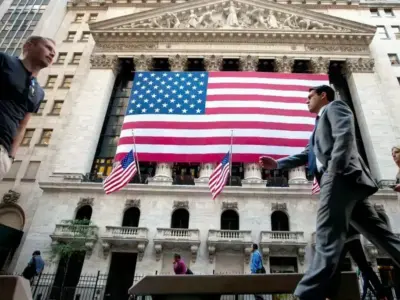
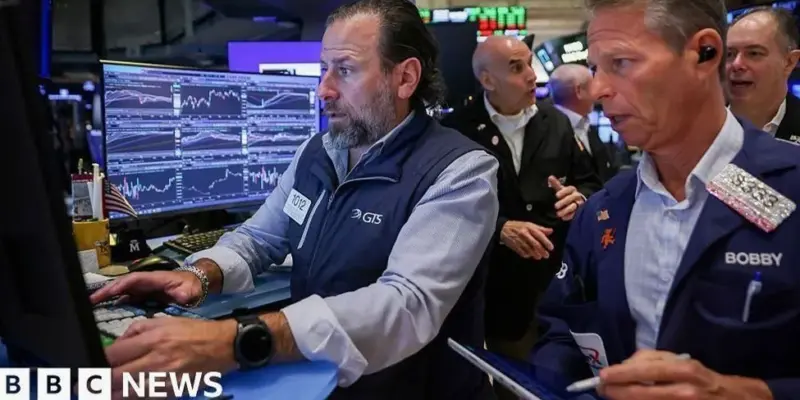
Wall Street experienced a staggering rout this week as hundreds of billions of dollars in market value vanished from the tech sector following the US midterm elections. Investors reacted sharply to Democratic victories in several key races, particularly those centered on platforms calling for a slowdown in AI expansion. This political shift triggered a massive slide for the Nasdaq composite, which plummeted more than five percent and lost roughly two and a half trillion dollars in capitalization, marking some of the worst trading days seen since 2025.
The volatility focused heavily on the hardware that powers modern computing, with semiconductor giants bearing the brunt of the collapse. Nvidia saw its valuation drop by over four hundred billion dollars as shares slid nine percent, while others like AMD and Micron tumbled even further. Even Elon Musk felt the impact of the electoral tide, as Tesla and SpaceX shares plunged amid reports that his significant financial backing of Republican candidates failed to prevent Texas from turning blue. In total, the elite group known as the magnificent seven shed a full trillion dollars in value during a single session.
Much of the anxiety stems from specific ballot measures and campaign promises aimed at curbing the growth of energy hungry data centers. For instance, Texas governor elect Gina Hinojosa pledged a moratorium on new construction within the sector, sparking fears that the physical infrastructure necessary for AI cannot be built fast enough to justify current spending levels. Market strategists suggest that these regulatory hurdles are colliding with existing doubts about whether the astronomical investments in generative AI will ever yield tangible financial returns.
Industry leaders admitted they may have underestimated public resistance to these sprawling digital hubs. Speaking at a conference in Napa, OpenAI co founder Greg Brockman noted that simply announcing the benefits of technology is no longer sufficient, emphasizing that companies must engage directly with local communities rather than relying on social media updates. Meta president Dina Powell McCormick echoed this sentiment, suggesting that tech firms now need to aggressively rewrite their narrative to convince both voters and investors that AI remains a viable path forward.